Diagnostic Educational Testing Services
for
ADHD, Learning Disabilities, Eligibility for Student Athletes, High School Admission, College Admission, Employment Accommodations, and Professional Exams (LSAT | Bar, Civil Service, Medical Licensing, Cosmetology, etc.)


VISION STATEMENT
“Ameliorate Illiteracy”
Illiteracy ties us to our past with extreme limitations. Reading proficiency connects us to a future with unlimited potential. Literacy opens doors of opportunity that no other skill can provide.
Listening, speaking, reading and writing are the basis for learning and competing successfully in society and the workplace. Proficiency in literacy empowers us to ultimately improve socioeconomic conditions for our families and future generations.
– Dr. R. S. Campbell
Serving: Philadelphia Area, Delaware, New Jersey, Maryland & Washington, D.C.
302.832.1023



Learning Disability Testing
The Reading Clinic Inc. offers evidence-based, comprehensive, diagnostic testing for children exhibiting reading and learning deficits such as Attention Deficit Hyperactivity Disorder, Cognitive Processing Challenges and Dyslexia, the most common reading disability. Customized learning plans include reading and cognitive therapy for all variations of Dyslexia.
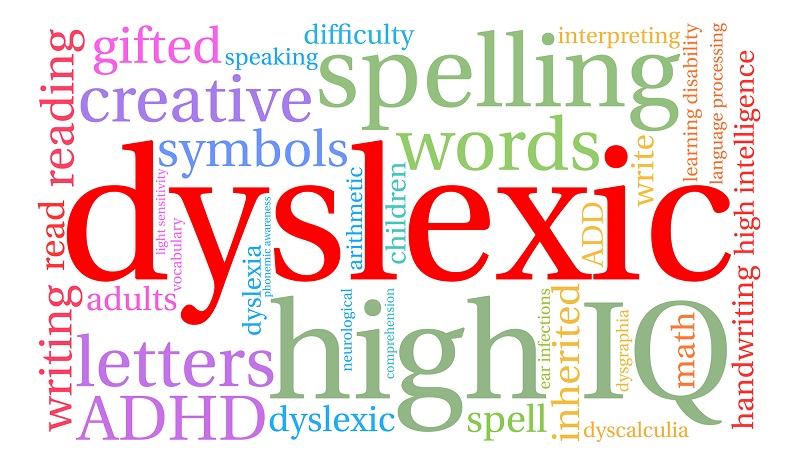
Individuals exhibiting characteristics of Dyslexia are typically highly intelligent and gifted, but may not respond successfully to traditional remedial and tutoring instruction in reading, comprehension, fluency, spelling, vocabulary development and writing.


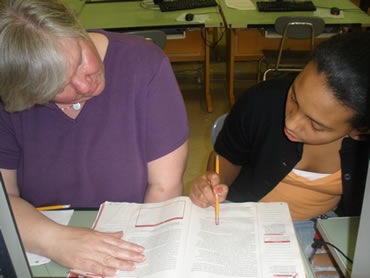
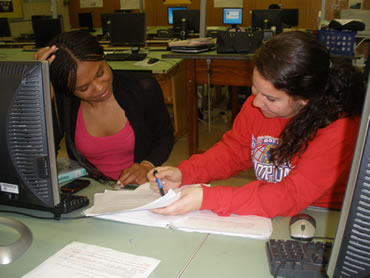
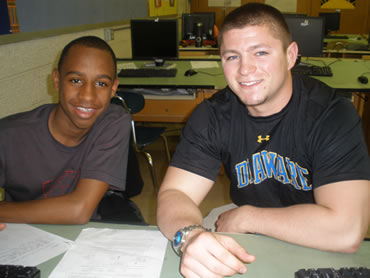




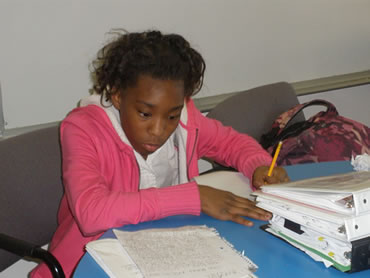

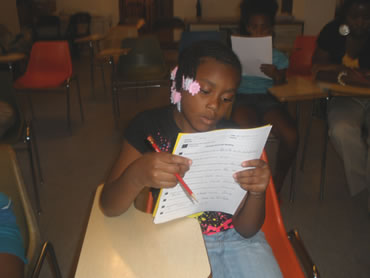

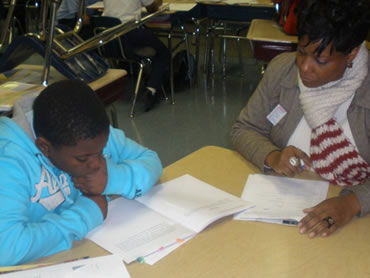
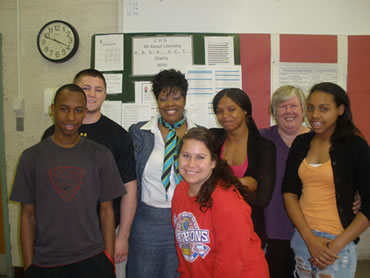
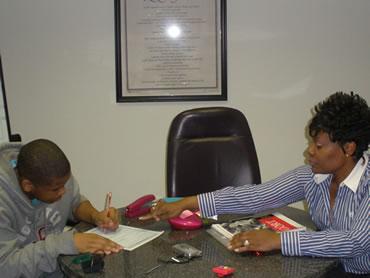
Dyslexia Affects 1 in 5!
Dyslexia is a specific learning disability that is neurological in origin that specifically impairs a person’s ability to read. These individuals often read at levels considerably lower than expected despite having normal intelligence.
Varying in degrees of severity, Dyslexia can be inherited in some families. Dyslexia is characterized by difficulties with accurate and/or fluent word recognition, poor
spelling and decoding abilities.
What is Dyslexia?

Assessing Dyslexia
Dyslexia Advocacy
Can Schools Treat Dyslexia?
Reading Deficits: Did You Know?
